
Spravato Without an Oral Antidepressant: What Monotherapy Means for Patients
If you have heard that Spravato can now be used without a daily antidepressant, the essential distinction is this: a treatment option expanded, but the need for supervised care did not disappear. The FDA’s January 2025 labeling permits Spravato, the prescription esketamine nasal spray, as monotherapy or alongside an oral antidepressant for adults with treatment-resistant depression. Read the FDA prescribing information.
What does monotherapy actually mean?
Monotherapy means using one medication for the condition being treated. In this context, Spravato does not have to be paired with an oral antidepressant to meet its treatment-resistant depression indication. It does not mean receiving the drug without clinical monitoring, follow-up appointments, or an overall mental health care plan.
The FDA’s approval letter specifically describes the change as an expansion to include monotherapy for treatment-resistant depression. That is narrower than saying Spravato is appropriate for everyone with depression or that other antidepressants have become unnecessary. The approval letter explains the regulatory change.
Who was studied?
A randomized trial published in 2025 evaluated esketamine nasal spray alone in adults with treatment-resistant depression. Participants had major depression without psychotic features and inadequate responses to previous antidepressant treatment. The study compared esketamine with placebo rather than comparing every possible medication-switching strategy. See the trial’s published description.
For a patient, the practical question is not simply whether two medications have been tried. Ask your clinician how previous treatment dose, duration, tolerability, and response fit the assessment of treatment resistance. Bring a medication history rather than relying on memory during a short appointment.
What did not change?
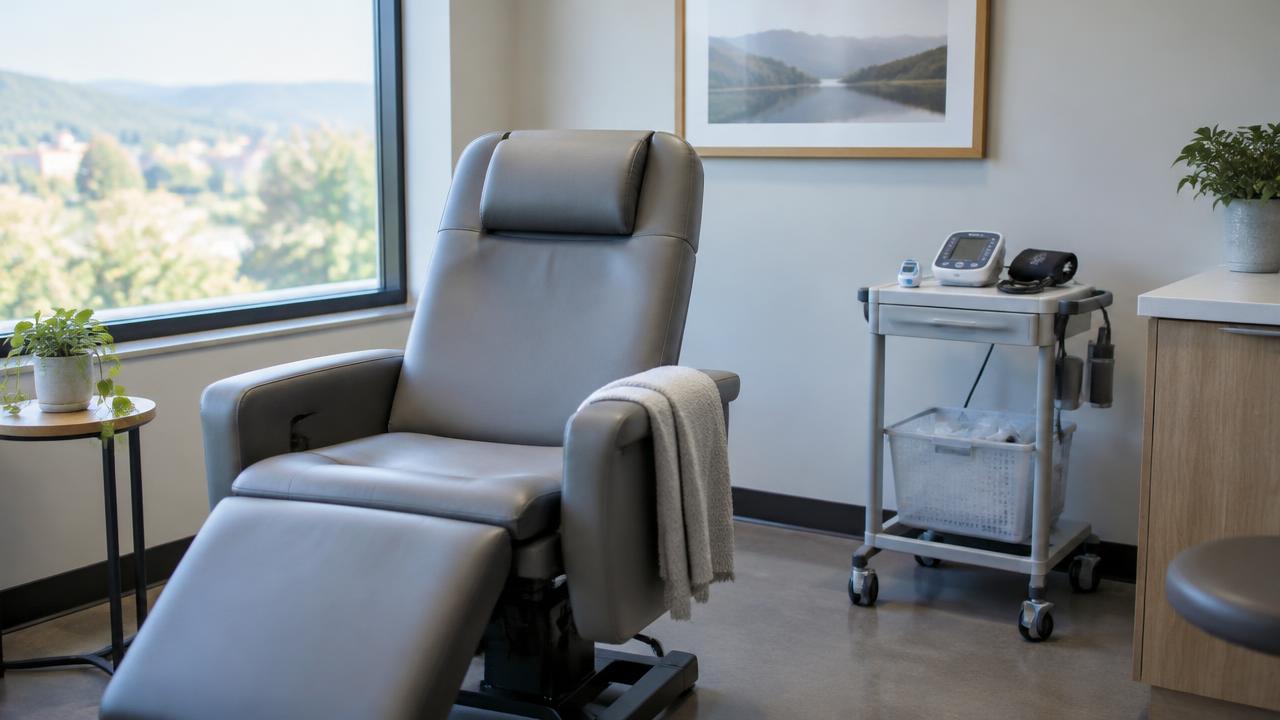
Spravato remains a supervised treatment available through a restricted safety program. The prescribing information requires monitoring for at least two hours after administration because of risks including sedation, dissociation, and respiratory depression. Monotherapy does not convert Spravato into a take-home nasal spray. These requirements remain in the FDA label.
Other precautions also remain relevant, including blood-pressure assessment, review of medical history, and evaluation of abuse or misuse risk. Patients should arrange transportation home and should not drive or operate machinery until the next day after a restful sleep, as directed in the medication guide.
Do not confuse the two depression indications
The label distinguishes treatment-resistant depression from depressive symptoms in adults with major depressive disorder and acute suicidal ideation or behavior. For that second indication, Spravato is still used with an oral antidepressant. The label also states that effectiveness in preventing suicide or reducing suicidal ideation or behavior has not been demonstrated. Check the indications and limitations of use.
This distinction matters when discussing a treatment plan. A phrase such as “approved for depression” leaves out the diagnosis, treatment setting, accompanying medication requirements, and limitations that determine what an approval actually covers.
Questions for a medication review
If monotherapy interests you, use the appointment to clarify your goals rather than arriving with a decision already made. Useful questions include:
- Does my diagnosis fit the treatment-resistant depression indication?
- What benefit am I currently getting from my oral medication?
- What would we monitor if my medication plan changed?
- How would we judge whether Spravato is helping?
- What is the plan if symptoms worsen or treatment becomes impractical?
Ask for the proposed plan in writing, including who to contact between appointments. The existence of a standalone indication is not an instruction to skip, taper, or stop an existing prescription. Any transition needs an individualized discussion with the clinician managing those medications.
A broader option, not a universal answer
The meaningful change is greater prescribing flexibility for a defined group of adults. It does not establish that standalone Spravato is better than combination treatment for every patient, and the placebo-controlled monotherapy trial was not designed to settle that comparison. The study’s comparison is important when interpreting its findings.
Before changing treatment, talk with a qualified clinician who can review your diagnosis, medical history, current prescriptions, and preferences.
Sources
Frequently Asked Questions
- Can Spravato be prescribed without an oral antidepressant?
- Yes. The FDA’s January 2025 labeling permits Spravato alone or with an oral antidepressant for adults with treatment-resistant depression.
- Does monotherapy mean I should stop my current antidepressant?
- No. The expanded indication does not provide an individual medication-switching plan. Discuss any reduction or discontinuation with your prescriber.
- Does the standalone indication apply to every Spravato use?
- No. Its separate indication for depressive symptoms in adults with major depression and acute suicidal ideation or behavior still specifies use with an oral antidepressant.
Written by
Ketamine News
Ketamine News covers the latest news and insights for Ketamine News.
 PreviousYour First Spravato Appointment: Planning for Monitoring, Recovery, and the Ride Home
 NextEsketamine, Ketamine, and Compounded Products: How to Read the Differences