Your First Spravato Appointment: Planning for Monitoring, Recovery, and the Ride Home
A first Spravato appointment is easier to plan when you understand that the nasal spray is only one part of the visit. The treatment includes assessment, supervised administration, and observation afterward. Even after the 2025 expansion allowing standalone treatment for treatment-resistant depression, these safety requirements remain part of prescribing. The FDA label describes the treatment process.
Start with the clinic’s written instructions
Before treatment day, ask the clinic for a written checklist covering arrival time, medication instructions, food and drink restrictions, transportation, and payment questions. Keep that checklist with your appointment details. If something conflicts with instructions from another clinician, ask the clinicians to clarify rather than making your own medication adjustment.
The medication guide advises avoiding food for at least two hours before administration and avoiding liquids for at least 30 minutes beforehand because nausea and vomiting can occur. It also gives timing instructions for patients who use nasal corticosteroids or nasal decongestants. Confirm how those directions apply to your own routine. Review the administration instructions and medication guide.
Bring a complete medication and health history
Make a list of prescription medicines, nonprescription products, supplements, and substances you use. Include the names and timing rather than describing them only as a sleeping pill or anxiety medicine. The label includes interaction precautions involving central nervous system depressants, psychostimulants, and monoamine oxidase inhibitors. The drug-interaction section explains these concerns.
Also tell the treatment team about relevant cardiovascular or cerebrovascular conditions, pregnancy or breastfeeding, and any history of substance-related problems. This is a safety conversation, not a test of whether you deserve care. Accurate information helps the clinician assess whether the treatment is appropriate.
Expect checks before and after the dose
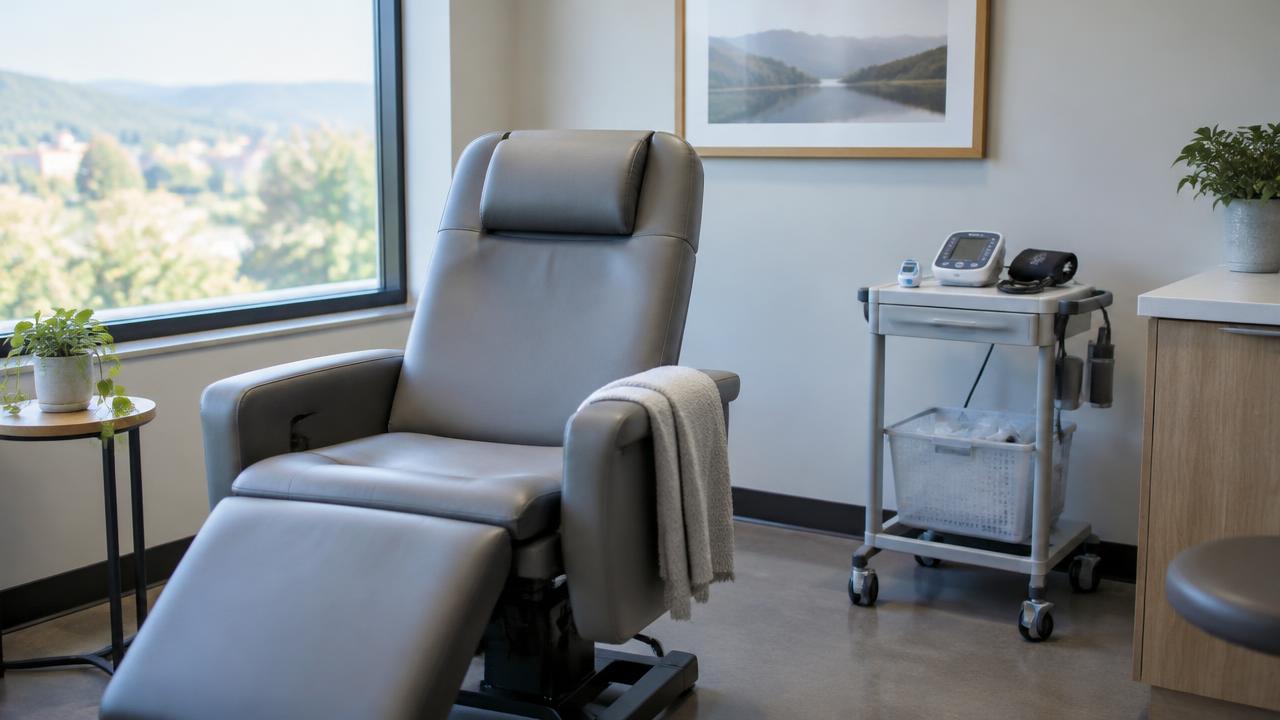
The prescribing information calls for blood-pressure assessment before dosing and reassessment afterward. It also requires respiratory monitoring, including pulse oximetry, and observation for sedation and dissociation. These checks are part of the treatment, not optional extras reserved for patients who feel unwell. See the monitoring requirements.
Ask the team to explain unfamiliar terms. Dissociation can involve changes in perception or a feeling of disconnection. Rather than trying to decide whether an experience is normal on your own, tell staff what you notice and let them assess it.
Build the observation period into your day
Patients must be monitored for at least two hours after administration. Two hours is a minimum observation period, not a promise that everyone will leave at exactly the same time. The clinician assesses whether the patient is clinically stable and ready for discharge. The label explains discharge assessment.
When planning work, caregiving, or travel, avoid treating the appointment as a quick prescription pickup. Ask the clinic how much total time to reserve, including check-in and the period before administration. Discuss what happens if your ride is delayed or you need longer observation.
Arrange the ride before you arrive
The medication guide says patients should arrange transportation home and should not drive, operate machinery, or do activities requiring full alertness until the next day after a restful sleep. Feeling ready to leave the clinic is not the same as being cleared to drive. Read the driving and alertness precautions.
Consider writing down the following practical details:
- Who will provide transportation home?
- What does the clinic require from the person collecting you?
- Which responsibilities need to be rearranged afterward?
- Whom should you call if you feel unwell after leaving?
- When and how will your response to treatment be reviewed?
Know what you are consenting to
Spravato has a boxed warning covering serious risks, including sedation, dissociation, respiratory depression, and abuse and misuse. The label also contains warnings about suicidal thoughts and behaviors in pediatric and young adult patients taking antidepressants; Spravato is not approved for pediatric patients. Review the boxed warning with your clinician.
You do not need to memorize the prescribing information. You do need an opportunity to ask questions, understand the visit, and know the follow-up plan. Talk with a qualified clinician about your personal risks and preparation instructions before beginning treatment.
Sources
Frequently Asked Questions
- How long is the observation period after Spravato?
- The FDA label requires monitoring for at least two hours after administration. A clinician determines when it is safe for a patient to leave.
- Can I drive home after treatment?
- No. Arrange transportation home. The medication guide says not to drive or operate machinery until the next day after a restful sleep.
- Can I eat before my appointment?
- The label advises avoiding food for at least two hours and liquids for at least 30 minutes before treatment. Confirm your clinic’s instructions beforehand.
Written by
Ketamine News
Ketamine News covers the latest news and insights for Ketamine News.
 PreviousSpravato Without an Oral Antidepressant: What Monotherapy Means for Patients
 NextEsketamine, Ketamine, and Compounded Products: How to Read the Differences